
The Cost of Living Crisis | ISSUE #6 / AUG 2022
- Aug 31, 2022
- 8 min read
Updated: Jan 13, 2024
August News Highlights

The Cost of Living Crisis
Humanity as a whole has faced a number of unforeseen circumstances that have altered our way of living. We've lived through numerous pandemics, several world wars, thousands of tragedies, and a long list of many other crises and life-changing events. Although there have been subtle changes over the years, such as technological advancements and new discoveries, the introduction of COVID-19 has been one of the most defining events of society of the past few years. Not only did the unexpected virus cause us to retreat indoors and reform our way of life, but it also brought with it a host of social and economic effects. While we as a society have, for the most part, learnt how to adapt to the new rules and regulations as part of our new definition of "resumed normalcy", we are still learning how to cope with some of the consequences of such a significantly-altering event.
Today, one of the most impactful consequences of the pandemic is the cost of living crisis that is sweeping the globe - from New Zealand to Nigeria, from UK to Malaysia, countries all across the world are facing economic hardship and financial struggles. The cause for the occurrence of this recent catastrophic event can be attributed to the outbreak of the pandemic. Despite it having been around and its outbreak occurring nearly three years ago, the effects it caused are still lingering and affecting the lives of many. When the pandemic first began and induced a worldwide lockdown, we as a society were forced to restructure the way that we went about their lives. These changes included the introduction of hybrid working/working from home situations, the enforcement of curfews, as well as restrictions on certain activities that required high or large-scale interactions. In understanding the main purpose of such regulations, it is easy to see why it was necessary to introduce such rules. While different governments around the world had various ways of enforcing them as best as they saw fit, they all shared a common goal – to limit public interaction in an effort to reduce the spread of the virus. To do so, it required the closures of non-essential businesses like clubs and recreational centres, the shutdown of many aspects of the entertainment industry like music shows, concerts, and any live performances, and it also required the restriction of flights to essential travel only.
Such restrictions were put in place according to the perspective of health and security ministries, who, in the best interests of their country and people, felt it necessary to focus on limiting the numbers of cases. At that time, it seemed like the most feasible and crucial option. Many governments therefore trusted the advice of those in the medical field and put into place rules that would focus on curbing the virus. And for the most part, it was a good move that was well-received by many. Taiwan and Singapore’s swift action made them role models around the world; they were applauded for their critical response against the pandemic. However, despite initial success for those countries in battling the virus, they were not exempt from the numerous waves of variants.
Causes
The pandemic brought with it a host of significantly damaging effects, especially on the economies of countries worldwide. For many, it induced a recession – one that is still ongoing today. This recession has brought with it inflationary price hikes on nearly every purchasable good, which is therefore causing the cost of living to steadily rise at an alarming rate. Although the effects vary from country to country, almost every nation worldwide shares a crisis that is manifesting in similar ways. BBC has listed 7 reasons as the cause for the rising cost of living, which include rising energy and petrol prices, shortage of goods, shipping costs, rising wages, climate impact, trade barriers, and the end of pandemic support.
Rising energy and petrol prices
Over the past few decades, there has been a steady growth of demand for oil in order to match the increased use of vehicles and machinery. As a society, we have now become largely dependent on it, which has therefore made it into a limited resource. Because of this, prices for it have increased as well. Over the years, demand has continued to steadily increase, this trend has continued to prevail. However, the start of the pandemic caused oil prices to slump as demand for it suddenly vanished. For a period of time when travel restrictions were in place, demand remained at a low level. Since then, demand for it has resumed normalcy, and in the UK, has even hit a seven-year record high. It is no surprise that this has occurred, as people are now eager to get out and travel once again. This high demand has consequently also caused its price to shoot up. One example is in the UK, where prices per gallon increased from $2.39 to $3.31 within a year.
Shortage of goods
Because of the introduction of restrictions on international travel, many supply chains were disrupted, which consequently resulted in the shortage of goods. This included land transport (in some countries, interstate travel was banned as well), sea transport (in worst-case scenarios, cargo could be held up port for months due to quarantined personnel) as well as air transport (flights travelled significantly less often). Businesses often reported problems such as backlogs of supply shipments, heavy delays, or just straight-up inability to have their orders delivered. It is worth noting as well, however, that such interruptions to the supply chain were not only caused by travel restrictions, but also caused financial limitations. As curfews and bans on societal intermingling were put into place, many businesses were unable to stay afloat and were forced to shut down.
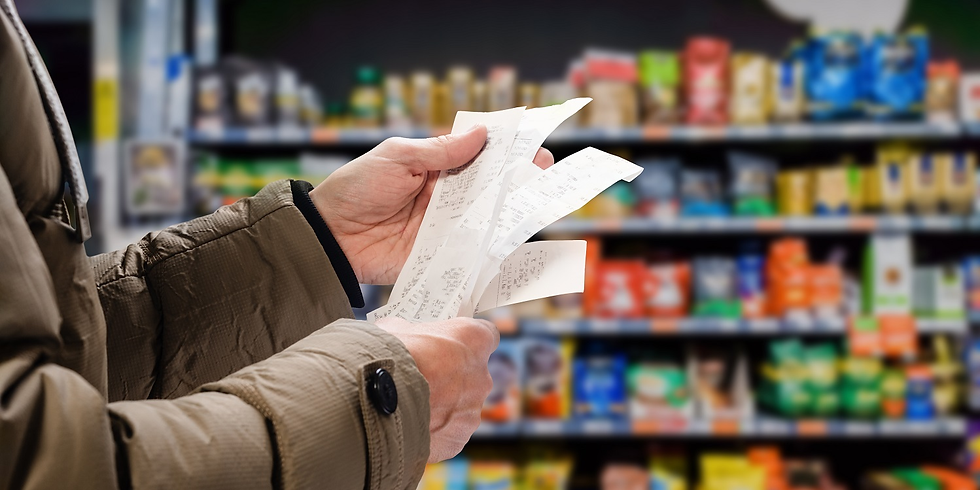
The BBC more specifically cited the reasons for shortage of goods as sudden price jumps of many everyday consumer goods. These include necessities and staples like bread, flour, oil, and meats, among many others, all of which were contributory factors to the increased cost of living. Moreover, many supply lines and production facilities faced shutdowns due to COVID-19 operating restrictions (limited labour, reduced operating hours, etc).
Shipping costs
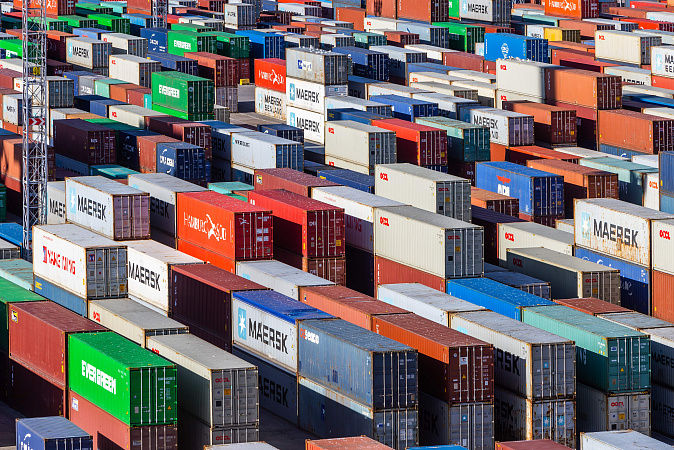
The pandemic is once again to blame for the rising shipping costs. During the pandemic, some companies suffered a sharp decline in the demand for their goods and were forced to reform their operating capabilities. However, after the pandemic eased off, many had to deal with an overwhelming surge in demand. In order for retailers to keep up with the surge, they had to pay a higher price to suppliers. This was often passed on to consumers. For example, the shipment of a single 40ft container from Asia to Europe currently costs $17,000, which is 10 times more than the previous year’s cost of $1,500.
Some parts of the world are also facing shipment delays at ports, rise in air freight fees, and driver shortages (Europe). These are all also contributing to the high cost of living today.
Rising wages
As a result of the numerous effects of the pandemic, many people quit the workforce or changed jobs over the past few years. The US, at present, is facing a significantly damaging labour shortage. Due to a mass population of more than four million quitting their jobs for reasons such as low pay and inability to work during the pandemic, the Department of Labour has recorded this as the highest workforce change in history. Firms have reported struggles of recruiting employees for ‘low-paying jobs’ such as drivers, food processors, and restaurant waiters. These problems have pushed large companies like McDonald’s and Amazon even offer signing-on or hiring bonuses ranging from $200 to $1,000.
Effects in countries
In many parts of the world, governments are facing the dire consequences of a pandemic induced recession. Here are a few examples of the effects that it has in several countries.
UK
As a result of the numerous aftereffects of the pandemic, the UK is undergoing what is referred to as the “UK cost of living crisis”. The think tank Institute for Government defines the UK’s cost of living crisis as “the fall in real disposable incomes (adjusted for inflation and after taxes and benefits) that the UK has experienced since late 2021 and has cited numerous causes for it happening. As supply chain disruptions and labour shortages became rices of goods went up, and inflation increased, the cost of living shot up and has significantly affected low-income persons.

Although the factors affecting and resulting in inflation are similar around the world, the UK has specifically cited 5 reasons that are causing the current cost of living crisis. These include an ongoing chip shortage, the COVID-19 pandemic, an energy crisis, a supply chain crisis, and Russia’s invasion of Ukraine.
This cost of living crisis is taking a significant toll on the locals; a survey performed between 27 April and 22 May 2022 reported 77% of UK adults feeling worried about the rising cost of living. The increase of inflation rates has manifested its effects in every aspect of life; from food prices to transport costs, from furniture prices to household items; from utilities like electricity to clothing; you name it, nearly everything is suffering.
The government duly responded to the rising inflation by implementing a 6.6% rise in the minimum wage which came into effect in April 2022. The UK government also introduced a £5 billion windfall tax on energy companies to help fund a £15 billion support package for the public. This included the distribution of a £400 discount on energy bills, as well as a £150 council tax refund. Moreover, roughly 8 million of the UK’s lowest income households also received a further £650 payment.
US
When the pandemic first hit two years ago, the US placed focus on resolving the crisis of millions in unemployment and striving to lift the economy out of the pandemic-induced recession. The country’s central bankers and politicians deemed it most critical to fix the problems at hand, which resulted in the consequences of inflation as an afterthought. A year later, with falling unemployment and rising inflation rates, many of those same policymakers reassured that the price hikes were a passing phase and that they were merely a consequence of disrupted supply chains, labour shortages, and other issues that would resolve themselves in due time.
They could not have been more wrong, as the country today is suffering its worst inflation rate since the early 1980s. The latest report from the Bureau of Labour Statistics stated that the annual inflation rate in May was 8.6%, which is a significant jump compared to the average 2.3% a month between the start of 1991 and end of 2019. During those years, inflation had only ever exceeded 5.0% four times. With such alarmingly high rates, the Biden administration has been forced to acknowledge that they missed their chance in rectifying the issue in earlier times. In fact, Treasury Secretary Janet Yellen admitted that she had failed to anticipate how long high inflation would continue to affect American citizens. She went on by saying that “… there have been unanticipated and large shocks to the economy that have boosted energy and food prices and supply bottlenecks that have affected our economy badly that I didn’t – at the time – didn’t fully understand, but we recognise that now.” Today, Americans have acknowledged that inflation is the nation’s top problem, and are constantly campaigning for the government to do something about it.

Comments