
Terrorism - Weaponising Fear | ISSUE #3 / MAR 2022
- Mar 31, 2022
- 14 min read
Updated: Jan 31, 2023
March Highlights
Terrorism- Weaponising Fear
Fear is a weapon of mass destruction; wield it and one can see the consequences it creates. Terrorism builds on that fear and capitalises on it. It works to generate a mass reaction of widespread panic and anxiety and turn that into a weapon by combining it with threats and demands as a means to achieve a goal. So how is it that terrorism continues to reign strong?
Amongst the world’s most intriguing issues lies a complex subject that even experts have difficulty in understanding. Because of the varying ideologies that surround the topic, it would be much too narrow-minded to pick one sentence to define terrorism; some are too limiting, and others are too vague. This is because there are a multitude of reasons for its occurrence, too many underlying circumstances that form the situation’s background, and a wide variety of motivators to push an individual or a group to perform such an act.
It is thus impossible to cover every single aspect of this subject. However, it is still of utmost importance that time is taken to understand the topic as much as possible. Despite the extensive research that has gone and still goes into deciphering past events and preparing for potential acts of terrorism, there is still much that is not yet fully understood. It is a difficult and arduous task that requires a worldwide and continuous effort, which is why intelligence organisations and counter-terrorist special forces work closely together to identify, assess, and eliminate threats as fast and as efficiently as possible. These bodies dive deep into research of all kinds, and they often look into profiles and backgrounds, patterns and histories, records and analyses. The list is endless, but they are all instrumental and necessary in figuring out the motives of terrorists and their potential actions, in understanding and figuring out what constitutes as terrorism, and whether any scenario warrants the involvement and deployment of a special forces unit.
The article will cover a range of topics in order to understand terrorism further; this includes exploration of the background, definition, and origin of terrorism, some insight into the various types, motivations, and categories of terrorism, and a glimpse at some of the world's terrorist and counter-terrorist bodies. While the article explores a wide range of subtopics that fall under terrorism, the explanations will only scratch the surface, and will hardly cover the extensive amount of research that has been done over the years. It is therefore encouraged to engage in further reading, and to learn more about how terrorism has become part of our lives.
Origins and Definition of Terrorism
The word terrorism is derived firstly from the Latin word terror, and subsequently from the French word terroriste. It was most commonly used during the French Revolution of the late 18th Century. During that period, it was used to describe supporters of the Jacobins, who were strong advocators of using violence to achieve democratic goals. Today, the definition remains the same, but experts have worked on building on it and elaborating on its meaning.
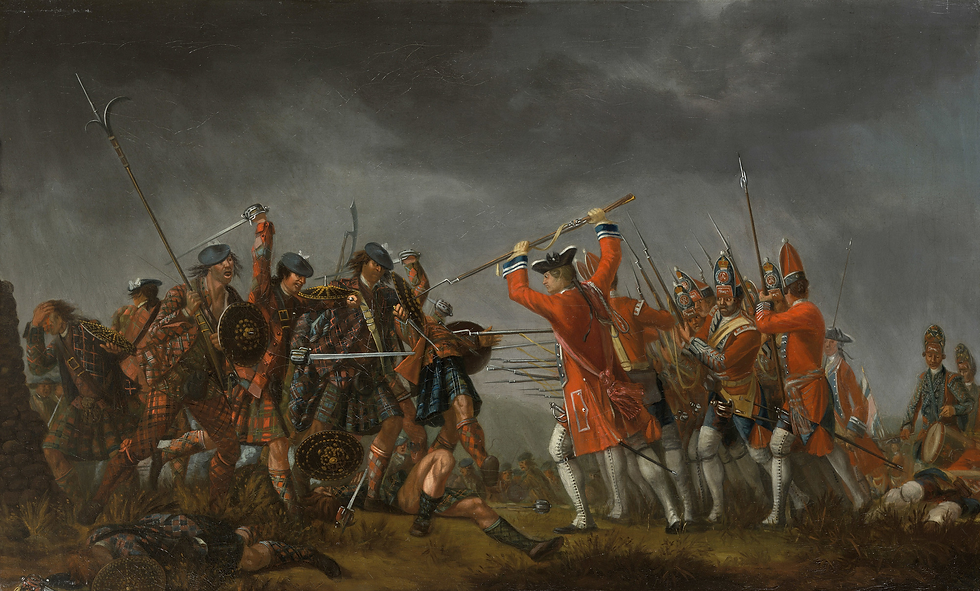
Jacobite uprising of 1745
There is a great difficulty in tying such a multi-layered term to a simple string of words because different bodies, government agencies, and intelligence organisations have their own version of a definition to suit their perspective or bias. The choice of words will ultimately fit the purpose of the group using the definition, whether it be academics, medics, lawyers, the media, or even the UN. Despite this struggle, however, it is nevertheless essential that the topic is explored in as much depth as is possible. In order to derive a definition that best explains terrorism, objective experts have picked through a wide variety of ideologies and definitions. From this, they have worked on selecting key-terms by identifying the most commonly-used words and phrases and have come up with a definition that most aptly describes terrorism.
In layman terms, terrorism can be loosely defined as an act of intentional violence against non-combatants in order to achieve a self-defined purpose. Experts of this field have expanded this definition in various ways, and one such example is a quote from Alex Schmid and Peter Jongman’s book, Political Terrorism: A Research Guide to Concepts, Theories, Data Bases and Literature: “An anxiety-inspiring method of repeated violent action, employed by (semi) clandestine individual, group, or state actors, for idiosyncratic, criminal or political reasons ... whereby the direct targets of the violence are not the main targets. The immediate human victims of violence are generally chosen randomly (targets of opportunity) or selectively (representative or symbolic targets) from a target population, and serve as message generators.”
Governments have also taken to defining terrorism themselves; the German Federal Republic states that "Terrorism is the enduringly conducted struggle for political goals, which are intended to be achieved by means of assaults on the life and property of other persons, especially by means of severe crimes as detailed in art. 129a of the penal code.", while the United States defines it as a “3. United States: "Premeditated, politically motivated violence perpetrated against non-combatant targets by subnational groups or clandestine agents, usually intended to influence an audience.’
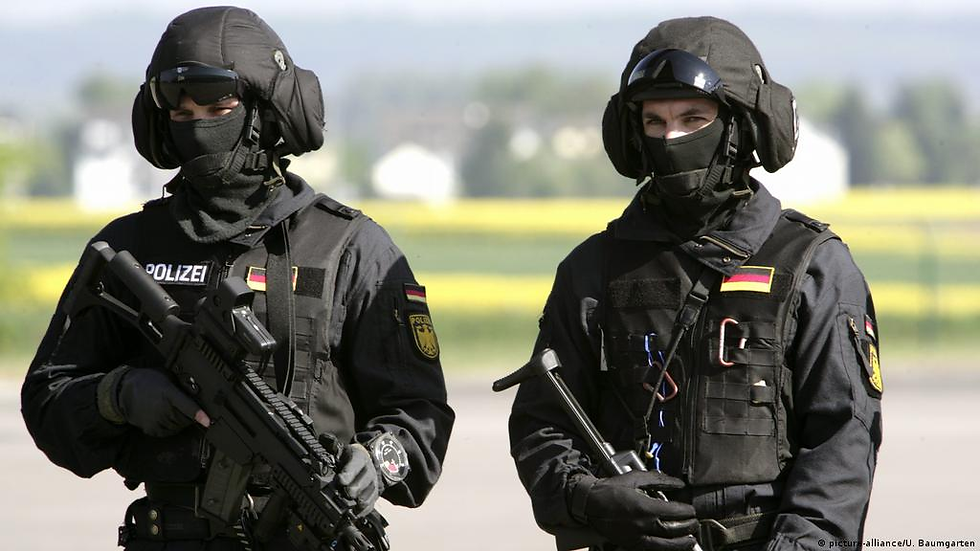
Germany's counter-terrorist/anti-terror police force - the Grenzschutzgruppe 9
While each definition varies from origin to origin, each definition follows a similar flow of thought. They all express terrorism as the use of violence to achieve a goal; typically one of a political nature. Therefore, regardless of the fact that different bodies have different purposes in highlighting different and specific characteristics to distinguish terrorism from normal acts of violence, all definitions can be understood in the same manner.
Motivations of Terrorism
There are a wide variety of reasons that motivate terrorists to act but often, a large part of it is meant to generate fear and use it as a weapon. Terrorists choose to manipulate the feeling of public panic and use that to achieve their own goals. These goals and reasons are often linked to the desire to achieve some form of change, whether it be for a political agenda, for religious transformation, or for revolutionary change. The reasons are not exclusive and are often interlinked with one another as a result of the structure and design of an area or community. Furthermore, depending on the situation at the time, different circumstances can influence terrorists to behave a certain way and will thus consequently push them to commit such acts. While the aforementioned reasons are just some examples, the list for these motivations is non-exhaustive and encompasses a multitude of perspectives – many of which are still unknown because of the fact that people can and do act without solid justification.
It is generally understood that terrorists exist largely for political reasons. These groups of terrorists likely have no ability to bring about the change they seek, and therefore, they choose to turn to using acts of violence to make demands and call attention to their cause. An example to explain this would be the al-Qaeda insurgency in Yemen. Infamous for constant attrition and its war-torn state, the Yemeni crisis began in late January 2011 when the ‘al-Qaeda in the Arabian Peninsula’ (AQAP) terrorist group declared the Islamic Emirate in Yemen. The situation further escalated when on September 16, 2014, a full-scale civil war erupted, and Houthi fighters stormed Sana’a and ousted interim President Hadi. This fractured the Yemen government and gave way to the ascension of a number of terrorist groups (Al-Qaeda, ISIS, Houthis, separatist militants), each of which had their own agenda to achieve.

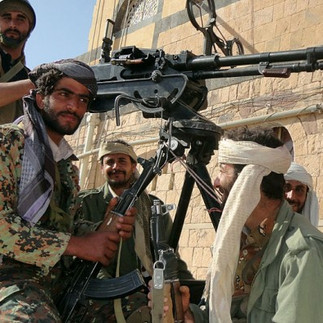

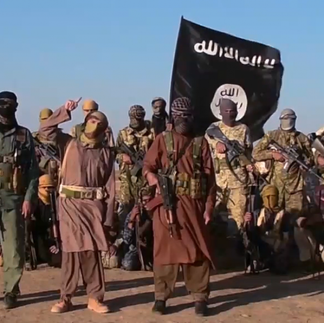

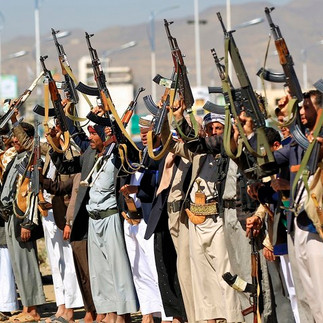
Left to right: al-Qaeda, members of ISIS, Houthi militants
Throughout history, there have been 4 major waves of modern terrorism, but it is the first of the four that best explains why conventional terrorism occurs. The first wave is known as the Anarchist Wave and is widely regarded as the first instance of global or widespread terror. Lasting from 1878 to 1919, it stems from the political movement Anarchism, which is an ideology that rejects authority and hierarchy. It is with this mindset that many terrorists seek a political overhaul or transformation largely because they believe that the system in which they live in either does not work or works against their beliefs. This is often referred to as right-wing terrorism, and many who support this are believers of white supremacy, ethnonationalism, anti-socialism, fascism, or disbelievers of social constructs such as taxes, legalised abortion, or LGBT+ rights.
In the subsequent years, three similar and consecutive periods followed – the Anti-Colonial Wave (1920s to early 1960s), the New Left Wave (mid-1960s to early 1990s), and the Religious Wave (1979 – present). The death of the Anarchist Wave after the end of WWI gave way to the Anti-Colonial Wave, which introduced the seeking of independence and freedom from colonial rule. Their motivations centred around a cause for liberation; many of the so-called terrorists began labelling themselves as freedom-fighters regardless of the fact that engaging in terrorist attacks meant that they were nevertheless still terrorists. One such example was the Irgun Zvai Leumi (Hebrew: National Military Organisation), which was a Zionist paramilitary organisation that operated in Mandate Palestine between 1931 and 1948. Despite their commendable goals to establish a Jewish state in Palestine, the methods by which they set out to achieve their aim resulted in devastating losses and casualties. Other examples of terrorist groups with Anti-Colonial separatist motives include the Irish Republican Army and the Palestine Liberation Organisation.
The New Left Wave was born in the mid-1960s as a response to the Vietnam War. A combination of radicalism and nationalism, it manifested itself in the form of anti-Americanism and hostility towards the United States. During this time, communications technology had advanced significantly, and terrorists in this wave made full use of such technological improvements to internationalise their acts. As a result, a phrase commonly used during the Anarchist Wave, “international terrorism”, was revived. Airline hijacking was commonly carried out during this wave, as flying had become more accessible.
The last and current wave is the Religious Wave. As a result of the independence of new states and territories, the need for political revolutions died down and slowly faded away into history. The eras of Anarchism and political instability became a thing of the past, and this therefore gave rise to terrorists with religious motivations. Born in the late 1970s, the birth of ISIS and the Sunni-Shi’ite conflicts are just some of the most notable events during this wave of terrorism. Those fighting with religious goals aim to achieve some form of glory and righteousness in the name of their religion.
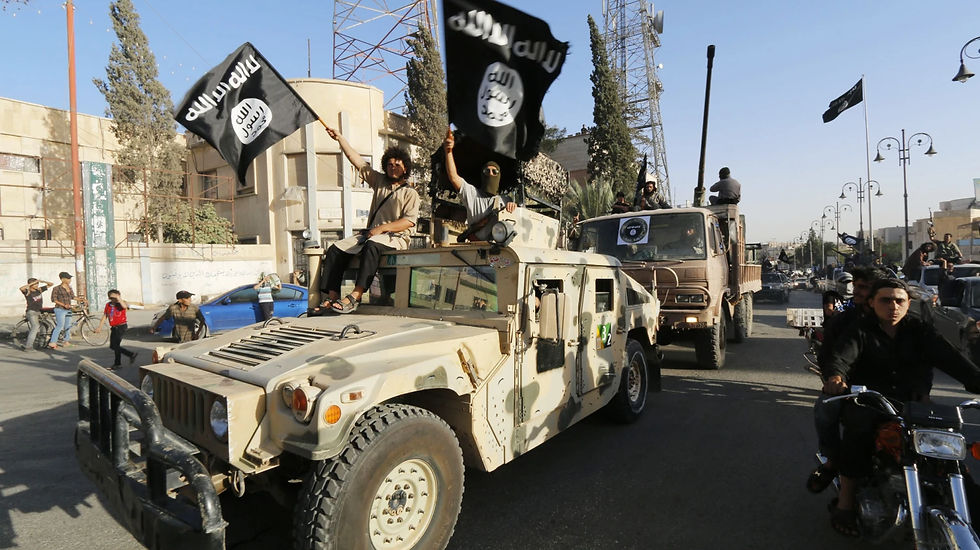
The Islamic State (ISIS) - an Islamist militant extremist jihadist group. They believe in the Salafi doctrine, which is a Sunni-aligned set of teachings.
Some terrorists also seek to enable their cause by striking a deal or engaging in negotiations through the use of leverage. One such example would be in hostage situations, where a terrorist or terrorist group would hold a building or a group of people hostage, and only agree to their release once negotiation terms have been agreed on. Such demands can include political demands, such as the release of a (captured) key figure in their cause, or financial demands, which include financial payouts. An example of using public conflict for personal gain is the case of the kidnapping of US journalist Daniel Pearl in Karachi in 2002, where Al-Qaeda demanded for the release of Pakistani prisoners, better conditions for detainees at Guantanamo Bay, and the delivery of military equipment to Pakistan. Despite their demands, the negotiations never happened as it was believed that it could lead to the encouragement of such behaviour. As a result of this, relevant parties refused to give in to the terrorists' demands, and Pearl was never rescued. He was later murdered as propaganda.
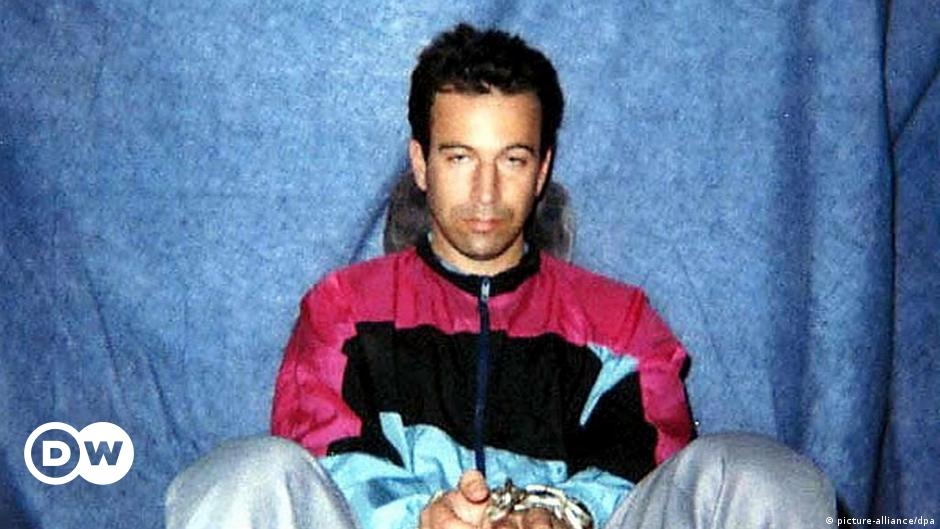
A picture of Pearl after being kidnapped
This explanation and insight into some examples of terrorist motivations is just the tip of the iceberg; there are countless other motivations that are still unknown and unheard of. These causes differ in terms of motivation and background, which thus makes it difficult to easily identify before incidents happen. While the various waves differed in terms of exact motivation and background, there is a consistent theme that appears. While some are fighting for nationalistic purposes, religious beliefs, or revolutionary change, it can be seen that all of the waves are intent on disrupting an existing system. Most seek to oppose a social, economic, or political scenario, and hope to bring about their own form of righteousness.
What form does terrorism take?
Terrorism has no clear form because it is virtually impossible to attach a certain profile to each and every terrorist. With varying motivations, backgrounds, and methods of attack, each terrorist has a different modus operandi, thus making it difficult to instantly identify. It is an ever-shifting, constantly-evolving matter, and can stir when one decides to use violence to achieve their goals. Regardless of this, however, terrorists can be split into either organised groups, or lone wolves.
It is comparatively easier to identify organised groups as a single terrorist body –the media often associates terrorism with large-scale acts carried out by groups such as al-Qaeda, the Islamic State, and the Taliban, and this is because they all share a common goal. It is hence typical to associate the word terrorism with a group of people intending to carry out a mass attack. Those who act as a cohesive movement are generally sorted into 3 categories: non-state-supported, state-supported, and state-directed. Non-state-supported terrorist groups are fully independent and do not receive significant assistance from any government. State-supported groups operate independently but are backed by one or more governments, and this support can come in the form of weapons, money, intelligence, and training, just to name a few. State-directed terrorist organisations act under the name of a government, and benefit by receiving intelligence, logistics, and operational support from the sponsoring government.

The Taliban
In the US, the greatest terrorist attacks are typically Islamic extremist groups who set out to achieve a revolutionary religious agenda. Groups such as the Party of God (Hizballah) and the Palestinian Islamic Resistance Movement (HAMAS) are such examples of extremist groups and are known to have a distinct hierarchical structure and consistent methodology of attack. Despite their usage of terrorism, it is known that these bodies work together with their respective states, and are typically supported, funded, and backed by them.
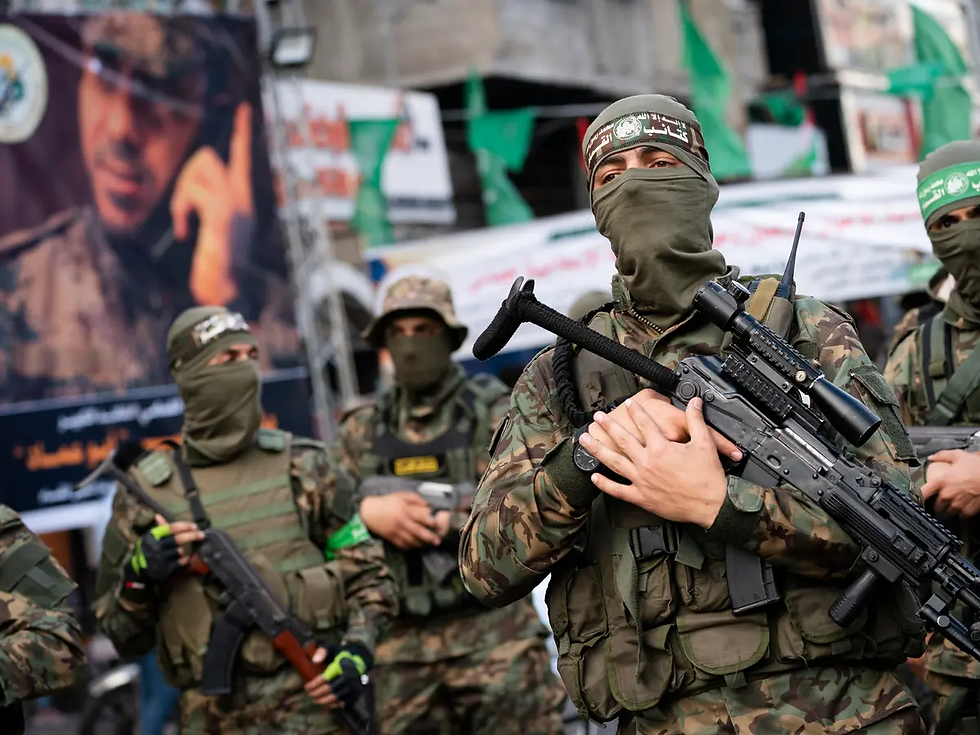
HAMAS Soldiers
Lone or independent terrorists are often overlooked and forgotten about. It is, after all, difficult to build an exact profile of who constitutes as a terrorist. Despite this, however, U.S. officials have identified that most lone terrorists are unemployed, single white males with a criminal record, and are often older, less educated, and more prone to mental illness. They typically have extremist views, and are intent on bringing about change that aligns with their beliefs.
Types of terrorism
Because of the wide range of causes and motivations, terrorism is carried out in a variety of ways. Terrorists tend to use certain acts or scenarios to achieve their goals and may choose to combine two or more to achieve their desired effect on their target. Such actions include, but are not limited to: hijackings, kidnappings, bombings, assassinations, armed assaults, barricade-hostage situations, active shooters, explosions, cyberattacks, biological attacks, and chemical attacks.
Counterterrorism – Bodies
Special operations forces play a huge role in employing counterterrorist measures to maintain peace and sanctity. On a smaller scale, they are important in neutralising threats and in minimising public disturbances, while on a larger scale, they serve to reduce conflict and eliminate threats wherever and whenever necessary. Every country has one or more designated bodies, and they protect the nation by carrying out various responsibilities. While the exact purpose and goal of each group may vary, all special forces typically follow a similar list of duties. These duties include counter-terrorism, search and rescue, covert operations, special reconnaissance, unconventional warfare, hostage rescue, and many others; the list is extensive and contains a wide range of acts for all sorts of purposes.
A large portion of information about special forces is classified, and as such, there is little public knowledge about what exactly these special forces do. Operations are kept secret until cleared for public release, and when they are declassified, it is often many years later.
Some examples of counter-terrorist forces include the Frogmen Corps of Denmark, the Special Air Service (SAS) of Britain, PASKAL (Malaysia) and the ROK SEALs (South Korea).

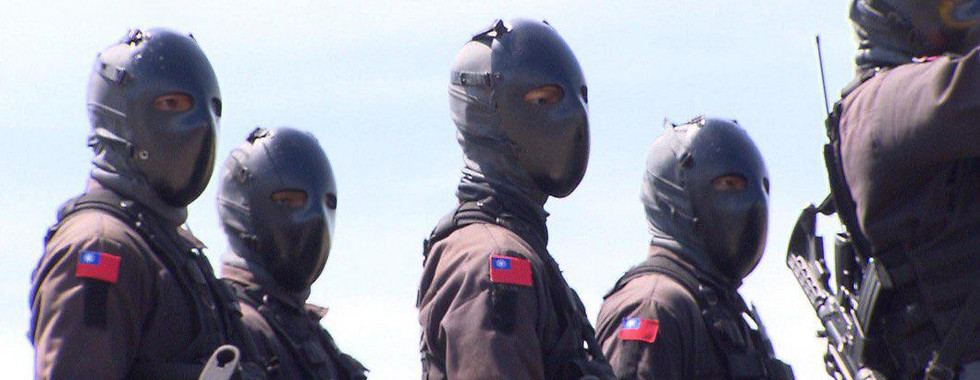



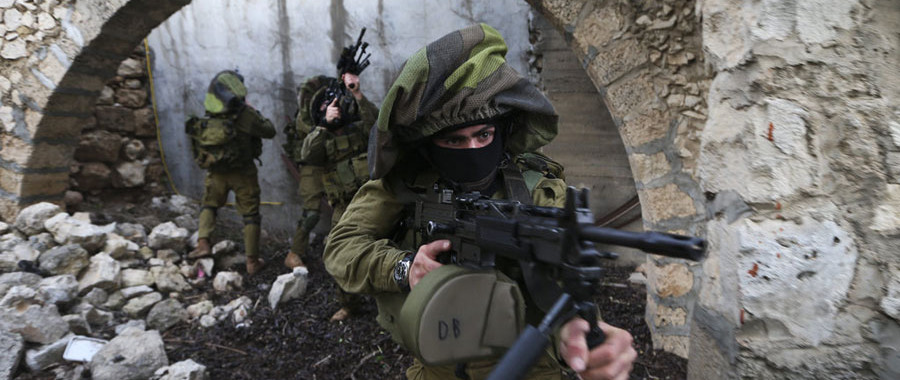

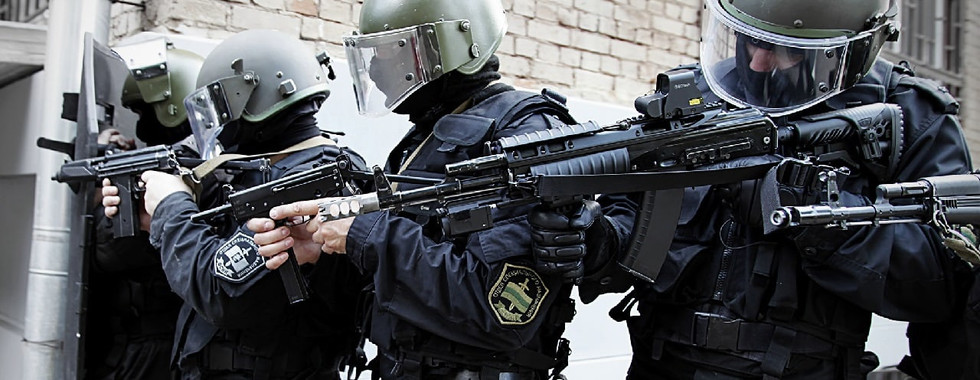

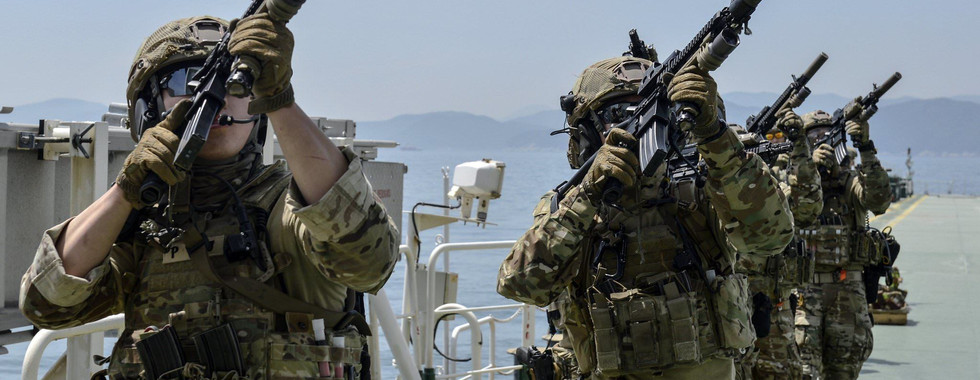

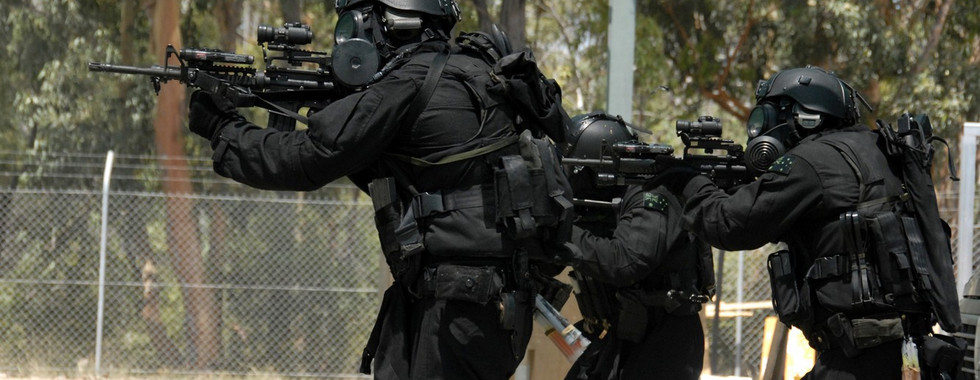

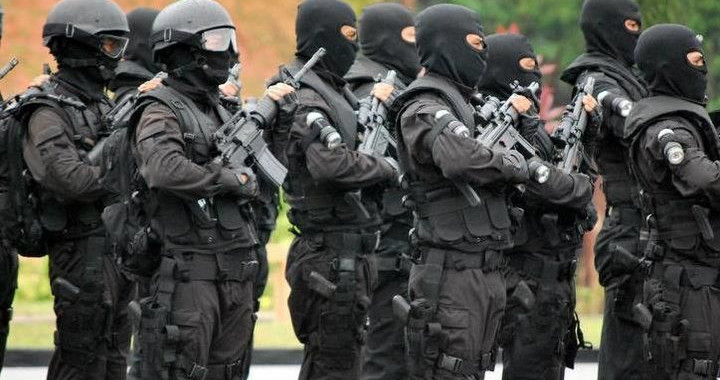
1. Shayetet 13 (Israel Defense Forces) | 2. Spetsnaz Special Forces (Russia) | 3. UDT/SEALs (Republic of Korea) | 4. Special Air Service (British SAS) | 5. Liangshan Special Operations Company (Taiwan)
Worst Acts of Terrorism
Throughout history, we have been subjected to a large number of terrorist attacks. These attacks have claimed hundreds, and some thousands, of innocent lives – purely because these bystanders were in the wrong place at the wrong time. Despite rapid advancements in defence and security technology, terror still looms in our lives. From hostage situations like the 2016 Orlando nightclub shooting, to airplane hijackings such as the infamous 9/11 attacks, the world has faced horrors – from our own kind. Regardless of whether the acts are justifiable, for a good cause, or well-intended to bring about some revolutionary change, such acts are in no way considered acceptable. Resulting in mass casualties, devastating economic damage, and irreparable destruction, every single terrorist attack has left an impression that many wish to forget.
The 2013 Boston Bombing is an apt example of good cause, bad act. Dzhokhar Tsarnaev, one half of the duo responsible for the attack, reportedly told the FBI that “he and his brother were angry about the U.S. wars in Afghanistan and Iraq and the killing of Muslims there.” Upon hearing such a statement, one cannot help but feel compassion for those who had suffered at the hands of war. It is likely that the brother duo felt that it was necessary to make a statement by causing the same harm to the Americans as they had caused to the Muslims in Afghanistan and Iraq. Despite this, however, it still cannot justify choosing to carry out an unwarranted attack for the purpose of getting justice or avenging the fallen.
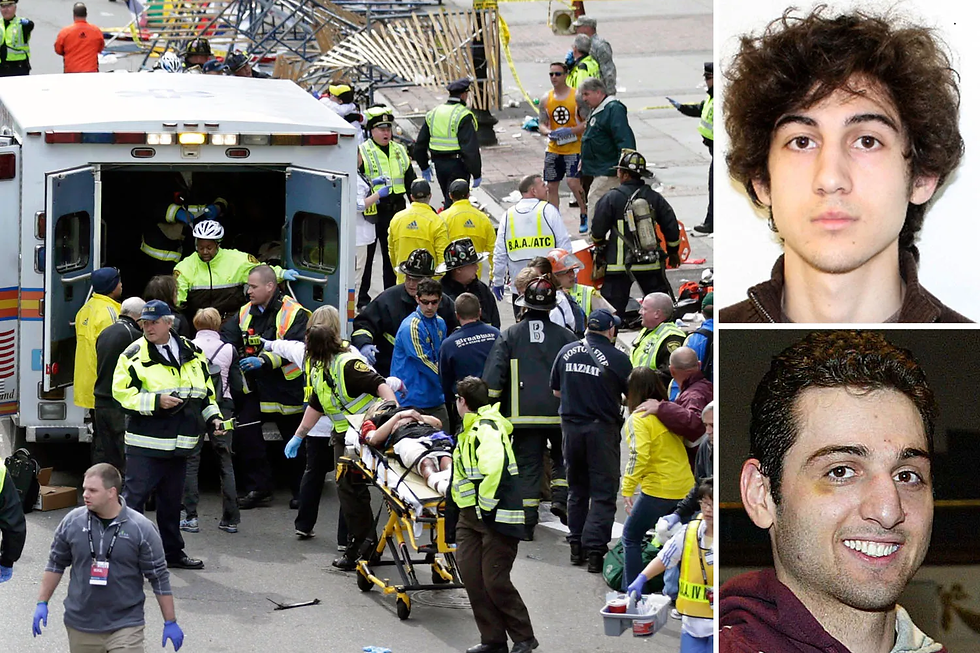
Left: The aftermath of the 2013 Boston Marathon Bombing | Top right: Dzhokhar Tsarnaev | Bottom right: Tamerlan Tsarnaev
With such acts not only comes the mess of having to handle the fallout and aftermath, but also the deep-rooted sense of fear. For anyone who has had to live through any attack, it brings about both physical and mental damages. If the survivors of 9/11, for example, were lucky enough to be rescued from the rubble of the fallen buildings, they had to battle smoke inhalation side-effects while also dealing with the trauma of being trapped within the rubble.
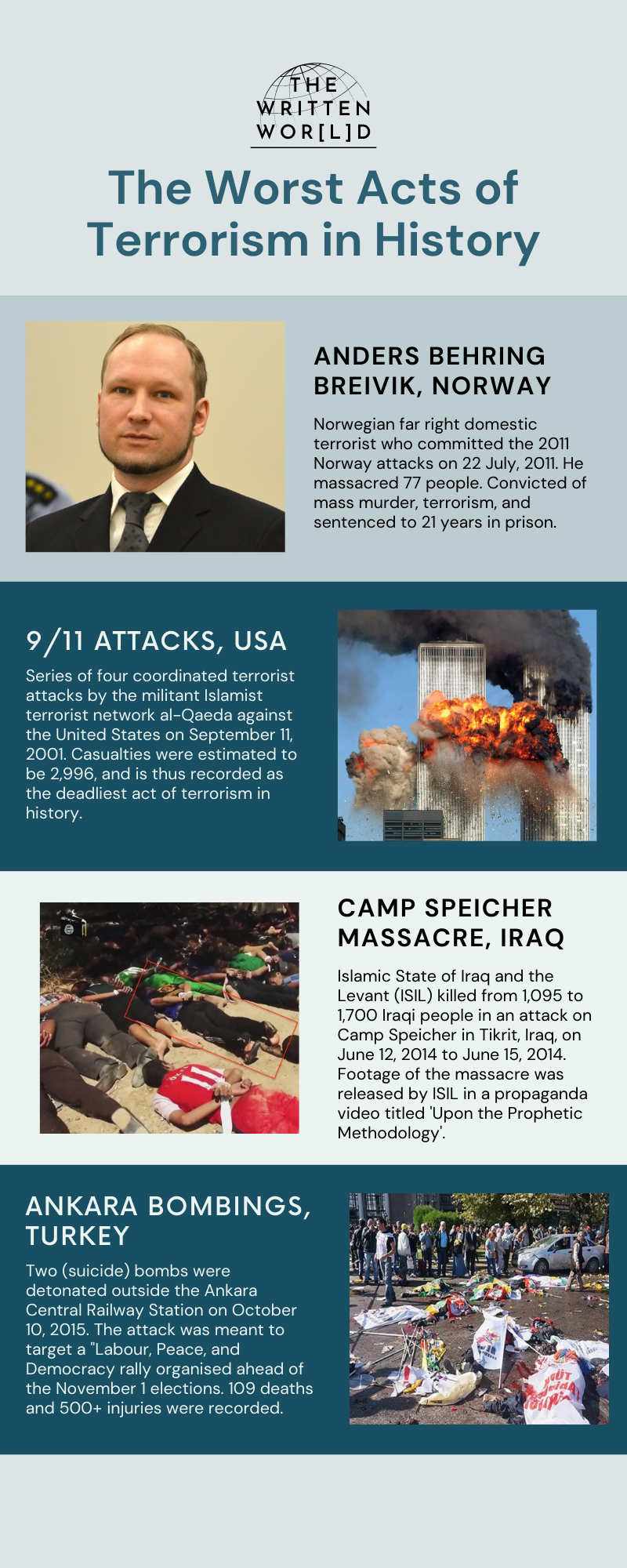
History’s worst recorded act of terrorism is likely the 9/11 attacks in USA. With an estimated 2,996 deaths (made up of 2977 victims + 19 al-Qaeda terrorists) and just under 25,000 injured, the world was seized by an unexpected horror. An attack of such magnitude was a first; no one in America or the world had ever seen a terrorist act on such a scale. It consisted of a series of four coordinated suicide terrorist attacks led by the militant Islamist group al-Qaeda. The terrorists were organised into three groups of five and one group of four, and their modus operandi was to seize control of commercial planes. They were tasked with the goal of hijacking the aircraft, crashing each plane into an American landmark, and causing mass casualties and partial/complete destruction.
There is little way of knowing whether al-Qaeda thought the operation to be a success or a failure; regardless, with nearly 3,000 fatalities, the collapse of the World Trade Center, and a severe breach to the United States defence and security system, the world most certainly considered it to be successful terror attack. In the aftermath, the US responded by launching operations into Afghanistan and Iraq as a means to resolve the situation and seek justice for those who had suffered. The most notable was Operation Neptune Spear, which was the raid on and elimination of al-Qaeda’s founder and first leader Osama bin Laden. Spearheaded by United States Navy SEALs and the CIA-led Joint Special Operations Command (JSOC), the operation concluded a nearly 10-year search for bin Laden.
Acts of terrorism are typically associated with Middle Eastern countries and the US, where such incidents have almost become part of daily life. It is therefore surprising to hear that one of the worst acts of lone terrorism occurred in Norway. The 2011 Norway Attacks is an infamous attack that was led by far right and lone terrorist Anders Behring Breivik. Responsible for the deaths of 77 people, he began his massacre by denotating a van bomb in Oslo, where 8 people were killed, and continued by murdering 69 participants of a Workers’ Youth League summer camp on the island of Utøya. His exact motivations are unknown, but following his arrest in 2011, Breivik was said to be a right-wing extremist with anti-Muslim and anti-Islam views, and was committed to stemming the immigration of Muslims into Europe. Despite this, however, he mentioned during his trial that he was inspired by jihadist groups such as al-Qaeda, and desired working with them to engage with weapons of mass destruction against Western targets. Many described him as a Christian fundamentalist and terrorist, and devout nationalist.
Terrorism is built on fear and reaction, and often utilises the media to further enhance that fear. This is why experts believe it to be a fairly recent and modern development. Despite having originated from as long ago as the 18th Century, it is clear to see that terrorists in the present day have made full use of modern technology. Media of all forms is used to broadcast propaganda, communicative technology is used to recruit and spread their cause, and the advancement in technology has also given rise to lone terrorists who now have the freedom and ability to purchase weaponry and engage with others fighting for the same cause. Terrorists have become creative in how they engaging in or commit any attack; school shootings, hostage capture, vehicle hijacking, mass murder, etc., are now threats that we must constantly be vigilant for.
Further Reading


Comments