
Operation Neptune Spear | Military Spotlight #1
- Jan 31, 2023
- 4 min read
Fact Sheet
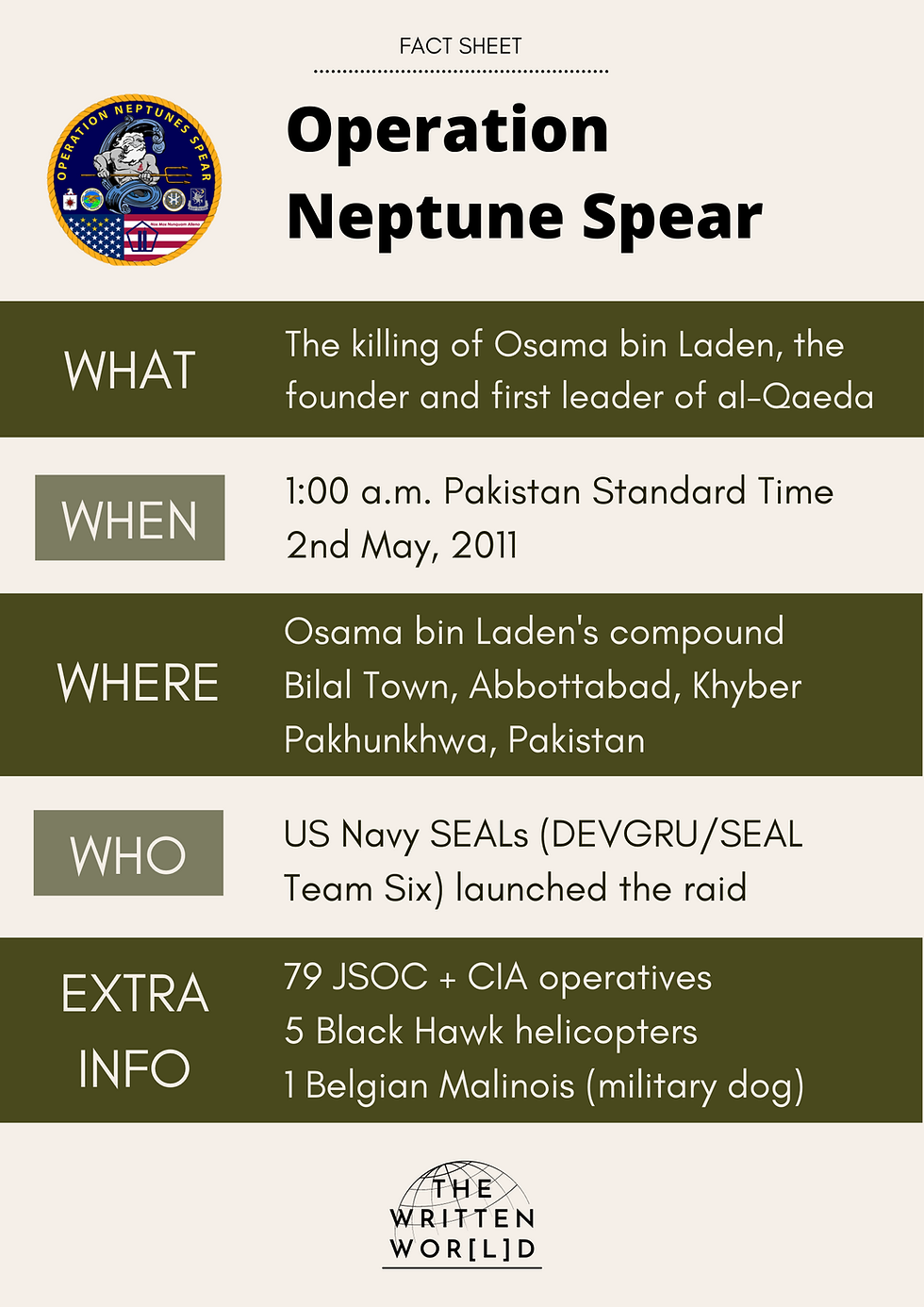
Operation Neptune Spear
Background of Operation
On May 2, 2011, at 1:00am PKT (20:00 UTC, May 1), Osama bin Laden was killed in a CIA-led operation. He was known as the founder and first leader of Islamist militant group al-Qaeda but was more famously recognised for his role in one of the world’s worst terrorist acts – the September 11 attacks on the United States. It was under his leadership that resulted in the deaths of nearly 3,000 people in a mass casualty incident that then led to George W. Bush to initiate the “War on Terror” and subsequent War in Afghanistan. Due to his heavy involvement and association with numerous incidents that caused significant losses and damages to the world, bin Laden subsequently became the subject of a decade-long manhunt that lasted from 2001 to 2011. Amidst the search for one of the world’s most wanted men, the FBI had also offered a $25 million bounty for his whereabouts.
The search for him had lasted for so many years that it had carried from the end of Bush’ presidency and into Obama’s first term. As such, although the initial War on Terror had been under the orders of Bush, it was Obama who spearheaded the operation against bin Laden.

Operation Neptune Spear Map
The operation, code-named Operation Neptune Spear, was coordinated with Joint Special Operation Command (JSOC), who led a group of operators from the United States Navy SEALs (also known as DEVGRU or SEAL Team Six), the 160th Special Operations Aviation Regiment (also known as Night Stalkers) and the CIA’s Special Activities Division. The U.S. Navy SEAL Team Six had been chosen for this mission because they had just returned from a deployment in Afghanistan and were therefore scheduled for normal leave. As such, they were thus able to train for the mission without attracting unwanted attention. Each member chosen for the mission had been carefully selected based on their extensive experience in challenging operations as well as for their specialised skills.
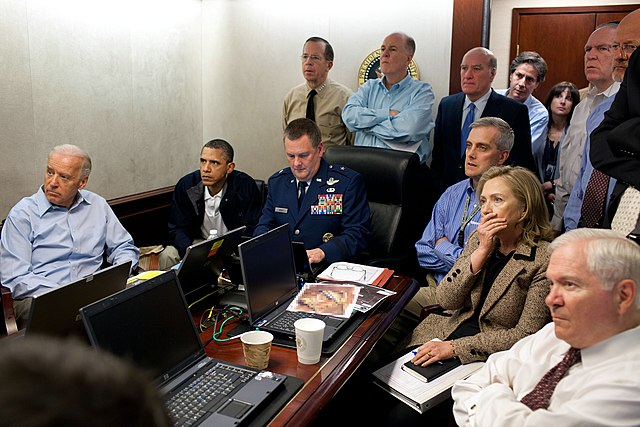
President Obama and his national security team in the White House Security Room - Pete Souza, White House Photographer
The raid was formally authorised by President Barack Obama after intelligence linked a courier to a large compound in Pakistan. In 2007, U.S. intelligence officials identified the name of a close contact of bin Laden’s, and they began investigating the contact’s ties and connections to the al-Qaeda leader. By late 2010, analysts were able to link the courier to a large and strongly-protected compound in Abbottabad, a town about 35 miles north of Islamabad. The compound was protected by an unusually strong and extensive amount of security features, which fuelled suspicions that the compound was where Osama bin Laden had been residing and hiding out.
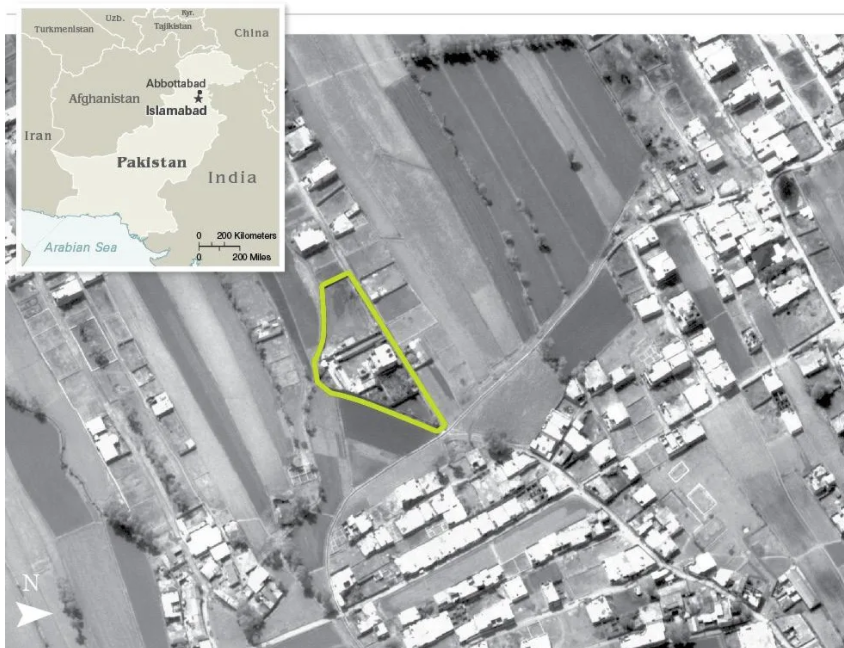
Aerial view of Osama bin Laden's compound in the Pakistani city of Abbottabad, made by the CIA
Upon confirmation that the compound was bin Laden’s residence, the green light was given for the leading operative team to begin preparing for the military operation. A special team was formed from SEAL Team Six, and they began training for the operation by practicing in a life-sized replica of the compound. The discovery of the location had ended a 10 year hunt for the mastermind behind 9/11, and as such, the operation was expected to be conducted flawlessly.
The operation began with the take-off of two Stealth Black Hawk helicopters from Afghanistan, which was where the US’ base of operations had been set up. Carrying a total of 25 U.S. Navy Seals (including the pilots), an interpreter, and a combat dog, the operation team had come from the section of the U.S. Special Operations Command that conducts classified high-priority missions. Two additional helicopters followed into Pakistan with extra fuel and a backup force.
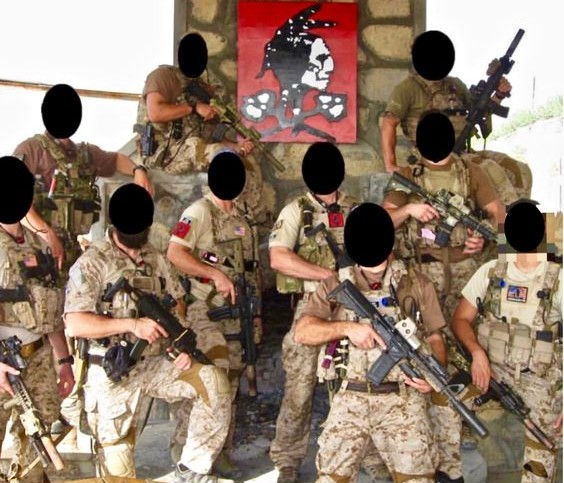
Navy SEAL Team
Although one helicopter became unstable and was forced to make an abrupt landing, the mission proceeded as planned. Several SEALs entered the guesthouse within the compound’s walls and took to carrying out the mission as discussed. It is difficult to accurately detail the sequence of events that took place within the compound because reports differed and conflicted. Some had mentions of an initial firefight prior to reaching bin Laden; former SEAL operative Mark Owen wrote in his book that there was a short firefight, while an intelligence officer told American journalist Seymour Hersh that no firefight had occurred. Moreover, upon reaching the target, different accounts disagreed on where bin Laden had been shot. Some say that the first shots missed, others say they hit him in the chest, side, or head; however, most do agree that he was hit by shots to the body and head.
Implications of bin Laden’s death
The assassination of bin Laden was a major success in American history – and for the many whose lives were lost that day. It marked a significant victory for the U.S. government, which, after a decade-long manhunt, was an outcome worth the wait. For many of the families of the 9/11 victims, his death represented justice for the fallen. Even before official news of the mission’s success had been released, large crowds had already gathered outside the White House to celebrate bin Laden’s death.
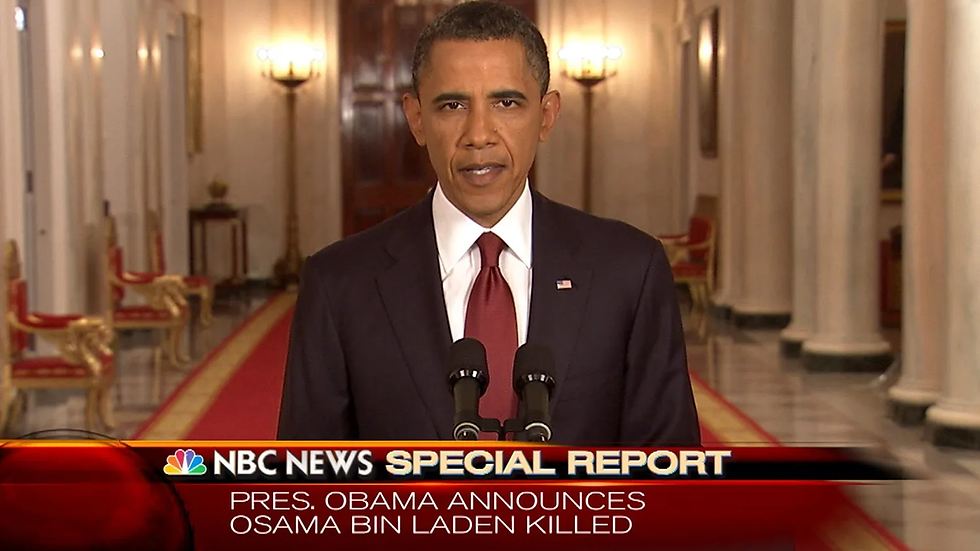
May 1, 2011: Pres. Obama announces Osama bin Laden killed - NBC News
However, reactions from other parties worldwide were mixed. Militant groups and supporters of al-Qaeda were enraged at the loss of a key figure in their organisation; some Arab organisations like Hamas administration of the Gaza Strip, the Muslim Brotherhood, and the Taliban condemned the U.S. for assassinating bin Laden. Jihadist communities even encouraged revenge attacks in response to his death.
Comments